
Введение
A dental air compressor is one of the most important pieces of equipment in any modern dental practice. While patients may never see it, nearly every dental procedure depends on a reliable source of clean, dry, and stable compressed air. High-speed handpieces, air-water syringes, ultrasonic scalers, delivery units, and many other dental devices rely on compressed air to operate efficiently.
When a compressor begins to malfunction, even minor issues can disrupt workflow, damage expensive instruments, and affect patient care. Problems such as moisture contamination, unstable pressure, excessive noise, and overheating are among the most common causes of downtime in dental clinics worldwide.
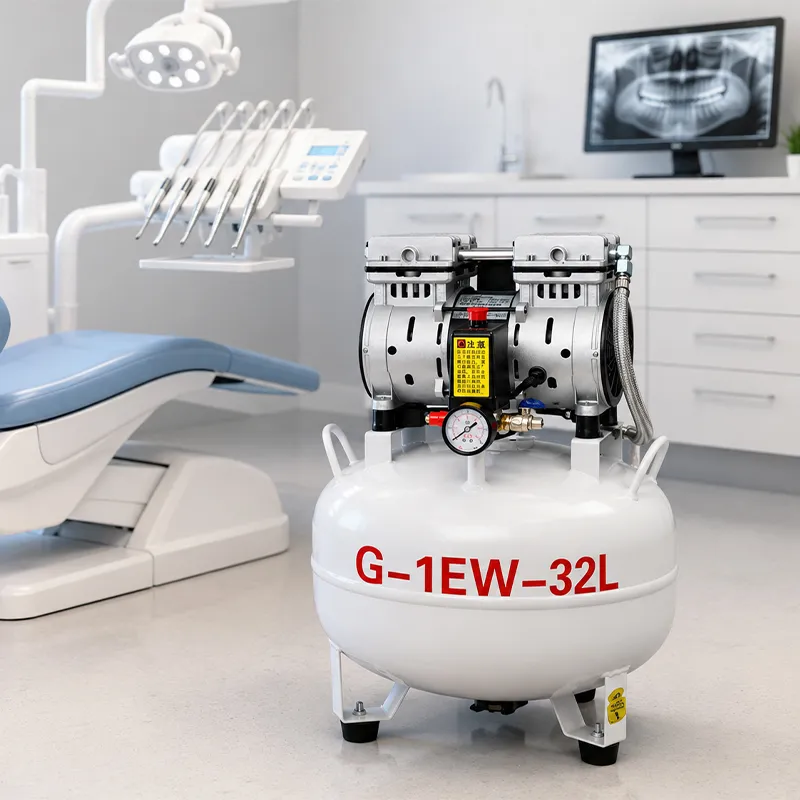
This comprehensive guide explains the most common dental compressor problems, how to diagnose them, practical dental air compressor maintenance procedures, and when professional dental air compressor repair services are required.
Whether you operate a single-chair practice or a large multi-chair clinic, understanding how to troubleshoot your compressor can save thousands of dollars in repair costs and prevent unexpected interruptions.
Why Dental Air Compressors Are Critical to Every Dental Practice
Unlike industrial compressors, dental air compressors must meet much stricter requirements.
Dental compressed air must be:
- Oil-free
- Dry
- Clean
- Consistent in pressure
- Safe for patient use
Poor air quality can negatively impact:
- Composite bonding procedures
- Implant surgeries
- Handpiece lifespan
- Air-driven dental equipment
- Infection control protocols
Even a small amount of moisture or contamination can create significant problems inside a dental unit.
A properly maintained compressor improves:
- Equipment reliability
- Clinical efficiency
- Patient satisfaction
- Operating costs
- Instrument longevity
Understanding How a Dental Air Compressor System Works
Before troubleshooting a problem, it is helpful to understand how the system functions.
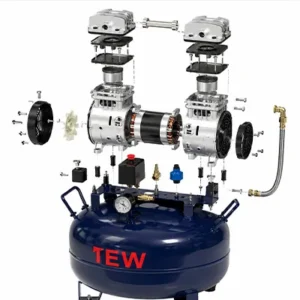
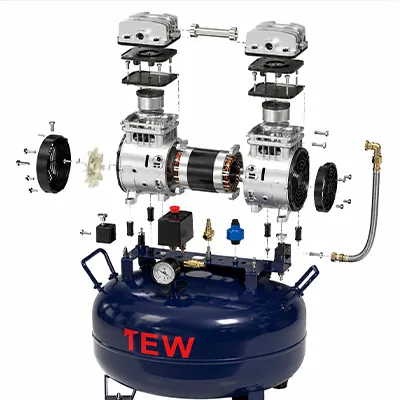
Compressor Pump
The compressor pump draws atmospheric air into a compression chamber and increases its pressure.
In most modern clinics, oil-free piston compressors are preferred because they eliminate the risk of oil contamination.
Electric Motor
The electric motor drives the compressor pump.
The motor starts and stops automatically according to system pressure.
Air Tank
Compressed air is stored inside a pressure tank.
The tank allows:
- Pressure stabilization
- Reduced compressor cycling
- Consistent airflow
Air Dryer
An air dryer removes moisture before air enters the dental unit.
Without a dryer, condensation may accumulate inside tubing and instruments.
Filtration System
Filters remove:
- Dust particles
- Microorganisms
- Moisture
- Airborne contaminants
Pressure Switch
The pressure switch controls compressor operation.
When pressure drops below the cut-in setting, the compressor starts automatically.
When pressure reaches the cut-out setting, the compressor stops.
Automatic Drain System
Condensation naturally forms during compression.
The drain system removes accumulated water from the air tank.
Common Signs Your Dental Air Compressor Needs Attention
Most compressor failures provide warning signs before a complete breakdown occurs.
Watch for:
- Water coming from handpieces
- Reduced air pressure
- Compressor running continuously
- Frequent start-stop cycles
- Excessive noise
- Overheating
- Increased electricity consumption
- Air contamination
- Rust on the air tank
- Slow pressure recovery
Early detection often prevents costly repairs.
Dental Air Compressor Troubleshooting Chart
| Symptom | Possible Cause | Recommended Solution |
|---|---|---|
| Water in air lines | Dryer failure | Service dryer |
| Low pressure | Air leak | Repair leak |
| Frequent cycling | Pressure switch issue | Replace switch |
| Excessive noise | Bearing wear | Inspect bearings |
| Overheating | Poor ventilation | Improve airflow |
| Compressor won’t start | Capacitor failure | Replace capacitor |
| Wet compressed air | Saturated desiccant | Replace desiccant |
| Pressure drops quickly | Tank leak | Repair or replace tank |
| Motor trips breaker | Electrical fault | Inspect electrical system |
| Rusty tank | Moisture buildup | Replace tank if severe |
Problem #1: Water Coming Out of Dental Instruments
One of the most common complaints from dentists is finding water inside compressed air lines.
Symptoms
You may notice:
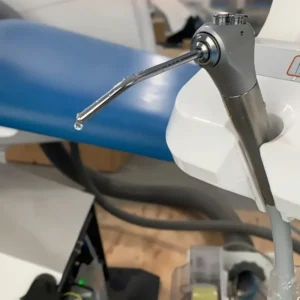
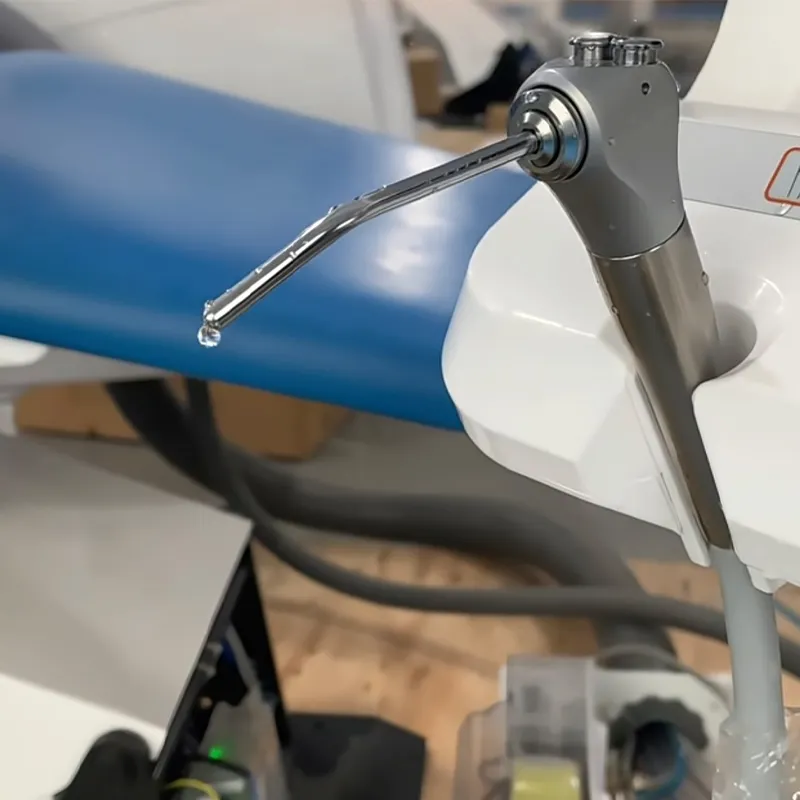
- Water droplets from the шприц для воздуха и воды
- Moisture in handpieces
- Rust inside tubing
- Reduced instrument performance
Why It Happens
Whenever air is compressed, moisture naturally forms.
If the drying system is unable to remove this moisture, water accumulates throughout the air system.
Common causes include:
Failed Air Dryer
The dryer may stop removing moisture efficiently.
Saturated Desiccant
Desiccant dryers require periodic replacement of drying media.
Faulty Automatic Drain
Water remains trapped in the tank.
Excessive Environmental Humidity
Clinics located in tropical regions often experience greater moisture challenges.
Risks
Moisture can cause:
- Corrosion
- Bacterial growth
- Instrument damage
- Reduced treatment quality
Troubleshooting Process
Step 1: Inspect air dryer indicators.
Step 2: Drain the air tank.
Step 3: Check automatic drain operation.
Step 4: Inspect filters.
Step 5: Replace saturated desiccant.
Prevention
Implement regular dental air compressor maintenance procedures.
Daily inspection of moisture levels can significantly reduce future repairs.
Problem #2: Low Air Pressure
Low pressure can make dental equipment nearly impossible to use effectively.
Symptoms
Common symptoms include:
- Slow handpiece speed
- Weak air-water syringe performance
- Poor scaler operation
- Inconsistent airflow
Why Pressure Matters
Most dental equipment requires stable pressure between 5 and 8 bar.
Even slight pressure fluctuations can affect clinical procedures.
Common Causes
Air Leaks
The most common cause of pressure loss.
Leaks often occur in:
- Quick couplings
- Air tubing
- Delivery systems
- Solenoid valves
Dirty Intake Filters
Restricted airflow reduces compressor efficiency.
Worn Piston Rings
Compression efficiency decreases as components wear.
Undersized Compressor
A clinic may have added additional chairs without upgrading compressor capacity.
Troubleshooting Steps
- Check pressure gauge readings.
- Listen for air leaks.
- Spray soapy water on fittings.
- Inspect filters.
- Measure compressor recovery time.
Repair Options
Depending on the cause:
- Replace tubing
- Repair leaks
- Install new filters
- Rebuild compressor head
- Upgrade compressor size
Professional dental air compressor repair may be required for persistent pressure problems.
Problem #3: Compressor Running Continuously
A compressor that never shuts off wastes energy and shortens equipment life.
Symptoms
You may observe:
- Constant motor operation
- Increased electricity bills
- Excessive heat
- Premature component wear
Main Causes
Air Leakage
Leaks prevent the tank from reaching target pressure.
Worn Compressor Components
Internal leakage reduces compression efficiency.
Pressure Switch Malfunction
Incorrect pressure readings prevent shutdown.
Check Valve Failure
Compressed air flows backward into the pump.
Diagnostic Procedure
Step 1
Inspect the entire air system for leaks.
Step 2
Check pressure switch settings.
Step 3
Measure tank fill time.
Step 4
Evaluate compressor output.
Long-Term Consequences
Ignoring continuous operation may lead to:
- Motor burnout
- Pump failure
- Electrical issues
- Expensive repairs
Prompt dental air compressor repair can prevent complete system failure.
Problem #4: Frequent Start and Stop Cycling
Short cycling is another common issue.
Symptoms
The compressor starts every few minutes, even when demand is low.
Why It Happens
Short cycling usually indicates pressure loss.
Possible Causes
Small Air Leaks
Even minor leaks trigger repeated startup cycles.
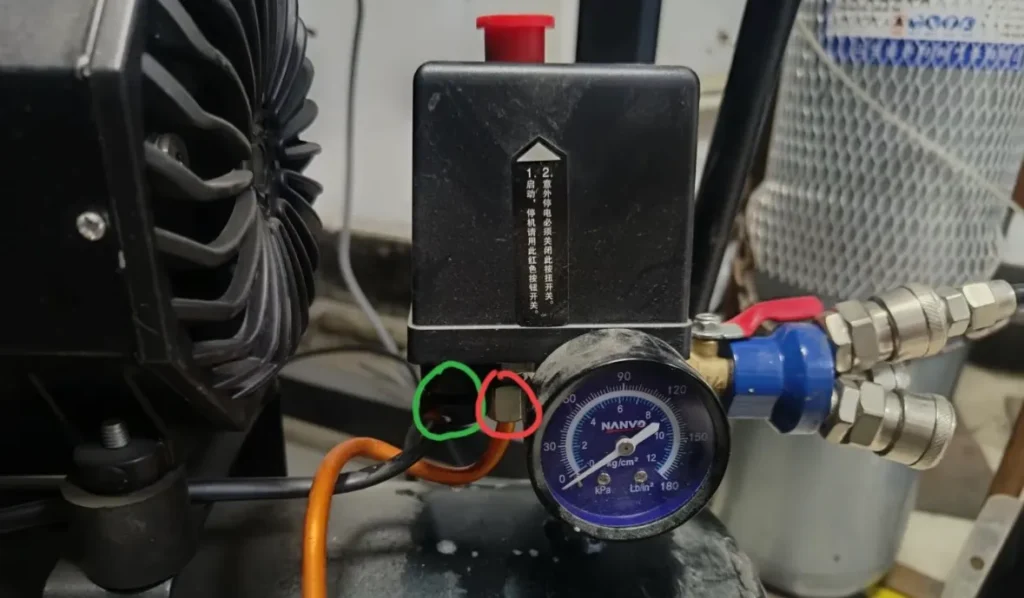
Faulty Pressure Switch
Improper pressure sensing creates instability.
Defective Check Valve
Stored air escapes after shutdown.
Insufficient Tank Capacity
Larger clinics may outgrow their original compressor system.
Why It Is Dangerous
Frequent starts place heavy stress on:
- Motors
- Capacitors
- Pressure switches
- Electrical systems
Solutions
- Repair leaks
- Replace pressure controls
- Upgrade tank capacity
- Service check valves
Regular dental air compressor maintenance can prevent short cycling from developing.
Problem #5: Excessive Noise and Vibration
Most modern oil-free compressors are designed for quiet operation.
Sudden noise increases usually indicate a mechanical problem.
Common Sounds
Knocking
Often associated with piston wear.
Grinding
May indicate bearing failure.
Rattling
Usually caused by loose hardware.
High-Pitched Screeching
Often related to motor bearings.
Diagnostic Checklist
Inspect Mounting Hardware
Loose bolts frequently cause vibration.
Check Rubber Isolation Pads
Worn pads transfer vibration to the floor.
Inspect Bearings
Damaged bearings require replacement.
Evaluate Compressor Head
Internal wear may require a rebuild.
Potential Consequences
Ignoring unusual noises can result in:
- Catastrophic pump failure
- Motor damage
- Increased maintenance costs
- Unexpected downtime
For this reason, abnormal noise should never be ignored.
Problem #6: Compressor Overheating
Overheating is one of the leading causes of premature compressor failure.
Modern dental compressors are designed to operate within a specific temperature range. When temperatures exceed these limits, performance declines and component wear accelerates.
Symptoms
- Hot compressor housing
- Thermal overload shutdown
- Burning smell
- Reduced airflow
- Increased noise
Common Causes
Poor Ventilation
Many clinics install compressors in small cabinets or utility rooms with limited airflow.
Dirty Cooling Surfaces
Dust buildup reduces heat dissipation.
Continuous Operation
A compressor running constantly generates excessive heat.
Electrical Problems
Low voltage or motor issues increase operating temperatures.
Problem #6: Compressor Overheating (Continued)
Troubleshooting Steps
Step 1: Check room temperature around the compressor.
Step 2: Verify that ventilation openings are not blocked.
Step 3: Clean cooling fins and external surfaces.
Step 4: Inspect motor current draw.
Step 5: Measure compressor duty cycle.
If the compressor is running more than 70%–80% of the working day, the unit may be undersized for the clinic.
Prevention Tips
- Install the compressor in a well-ventilated room.
- Keep ambient temperature below 35°C whenever possible.
- Clean cooling surfaces monthly.
- Perform scheduled dental air compressor maintenance inspections.
Problem #7: Air Dryer Failure
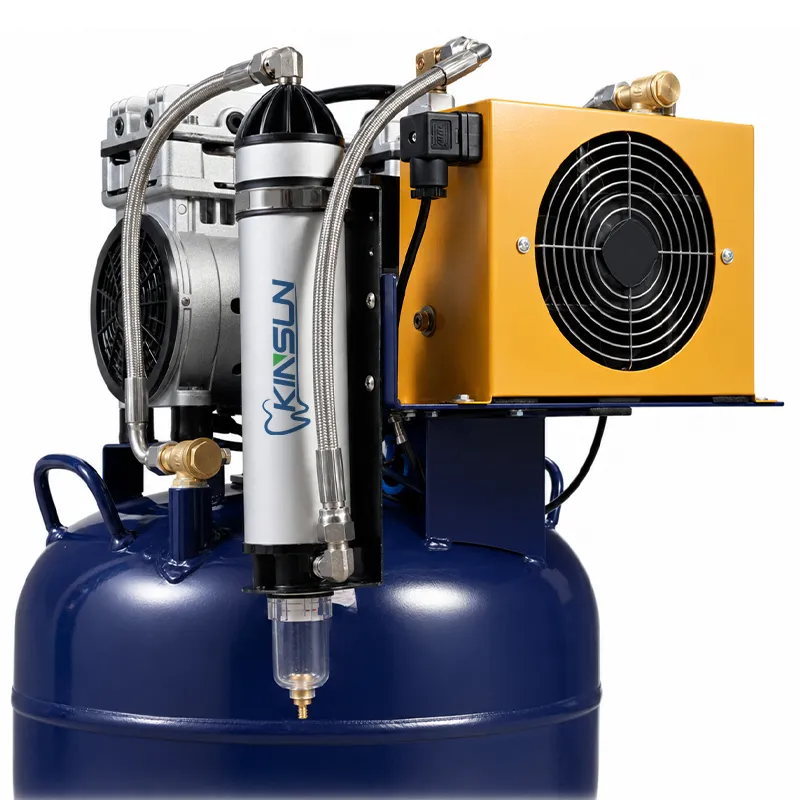
Many dentists focus on the compressor itself while overlooking the air dryer.
However, the dryer is one of the most important components in maintaining air quality.
Symptoms
- Moisture in handpieces
- Water droplets from air syringes
- Corrosion inside tubing
- Increased bacterial contamination risk
Why Air Dryers Fail
Saturated Desiccant Material
Desiccant materials gradually lose moisture-absorbing capacity.
Refrigeration Failure
In refrigerated dryer systems, compressor or condenser issues may reduce drying efficiency.
Drain Valve Failure
Condensed water cannot be removed effectively.
Improper Maintenance
Neglected dryers eventually become ineffective.
Consequences of Ignoring Dryer Problems
A failed dryer may lead to:
- Handpiece bearing failure
- Corrosion in delivery systems
- Increased maintenance costs
- Reduced lifespan of dental equipment
Recommended Solutions
- Replace desiccant cartridges on schedule.
- Inspect automatic drains quarterly.
- Service refrigeration systems annually.
- Monitor dew point performance.
Air dryer maintenance should always be included in any comprehensive dental air compressor maintenance program.
Problem #8: Air Contamination
Clean compressed air is essential for modern dentistry.
Contaminated air can compromise treatment quality and damage equipment.
Signs of Air Contamination
- Unpleasant odors
- Visible particles
- Discolored filters
- Instrument malfunction
- Increased maintenance frequency
Sources of Contamination
Dirty Intake Air
Compressors installed near construction zones, laboratories, or dusty environments may ingest contaminants.
Worn Filtration Systems
Filters eventually become saturated and ineffective.
Moisture Accumulation
Water encourages microbial growth.
Poor Installation Practices
Improper piping layouts can introduce contamination into the air system.
Potential Risks
Air contamination may affect:
- Composite bonding procedures
- Air-driven instruments
- Infection control standards
- Patient confidence
Prevention Strategies
- Replace intake filters regularly.
- Install medical-grade filtration systems.
- Maintain proper ventilation.
- Monitor air quality periodically.
Preventive dental air compressor maintenance is far less expensive than replacing contaminated equipment.
Problem #9: Electrical Problems
Electrical failures account for a significant percentage of compressor service calls.
Common Symptoms
- Compressor will not start
- Circuit breaker trips repeatedly
- Motor hums but does not rotate
- Intermittent operation
Possible Causes
Failed Capacitor
Start capacitors are among the most commonly replaced compressor components.
Voltage Fluctuations
Unstable electrical supply can damage motors and control systems.
Loose Connections
Vibration may gradually loosen terminals.
Motor Failure
Motor winding damage often requires replacement.
Diagnostic Process
Check Power Supply
Verify voltage at the compressor.
Inspect Breakers
Repeated tripping usually indicates an underlying issue.
Test Capacitors
Weak capacitors may prevent startup.
Measure Motor Current
Abnormal current draw often signals motor problems.
Repair Recommendations
Some electrical issues can be addressed by facility maintenance staff, but major repairs should be performed by qualified technicians.
Professional dental air compressor repair is strongly recommended when dealing with electrical components.
Problem #10: Air Tank Corrosion
The air tank is often overlooked because it is hidden beneath the compressor.
Unfortunately, neglected tanks can become a serious safety concern.
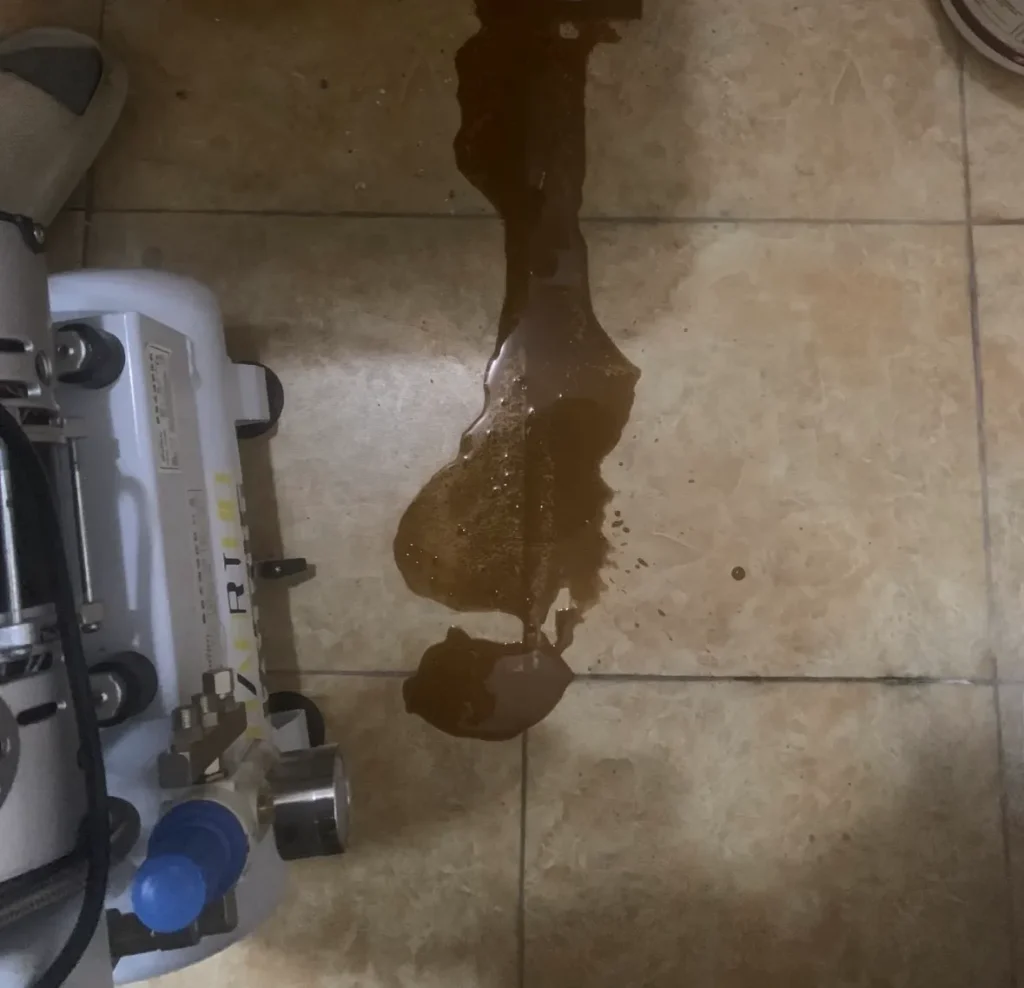
Symptoms
- Rust on the tank surface
- Pressure loss
- Water accumulation
- Visible corrosion around drain valves
Why Corrosion Occurs
Moisture Buildup
Condensation forms naturally during compression.
Poor Drainage
Water left inside the tank accelerates rust formation.
High Humidity Environments
Clinics located in tropical regions face increased corrosion risks.
Why It Matters
A weakened pressure vessel can become dangerous.
In severe cases, tank replacement is necessary.
Prevention
- Drain moisture regularly.
- Inspect tanks annually.
- Replace corroded tanks promptly.
- Maintain dryer systems properly.
Dental Air Compressor Maintenance Checklist
A structured dental air compressor maintenance schedule dramatically reduces unexpected failures.
Daily Maintenance
Every day, staff should:
- Check operating pressure.
- Listen for unusual sounds.
- Verify dryer operation.
- Observe moisture indicators.
- Inspect for visible leaks.
Daily inspections typically require less than five minutes but can identify problems early.
Weekly Maintenance
Perform the following once per week:
- Inspect tubing and fittings.
- Test pressure stability.
- Verify automatic drain operation.
- Clean external surfaces.
Monthly Maintenance
Monthly inspections should include:
- Cleaning intake filters.
- Checking cooling vents.
- Inspecting electrical connections.
- Examining vibration mounts.
Quarterly Maintenance
Every three months:
- Test pressure switches.
- Inspect safety valves.
- Evaluate dryer performance.
- Check tank condition.
Annual Maintenance
A complete annual service should include:
- Filter replacement
- Dryer inspection
- Motor inspection
- Bearing evaluation
- Pump performance testing
- Air quality verification
A comprehensive annual dental air compressor maintenance program can reduce repair costs by up to 50% over the lifespan of the equipment.
Preventive Dental Air Compressor Maintenance Tips
Preventive maintenance is far more cost-effective than emergency repairs.
Many compressor failures develop gradually over months before causing noticeable symptoms.
Keep Filters Clean
Dirty filters increase workload and energy consumption.
Replace filters according to manufacturer recommendations.
Eliminate Air Leaks
Even a small leak can waste significant amounts of compressed air.
Conduct leak inspections regularly.
Monitor Pressure Trends
Pressure fluctuations often indicate developing issues.
Recording pressure readings helps identify problems before they become severe.
Keep the Compressor Room Clean
Dust and debris contribute to overheating and contamination.
Maintain Proper Ventilation
Good airflow improves cooling efficiency and extends component lifespan.
Service Air Dryers Regularly
Dryers protect the entire compressed air system.
Neglecting dryer maintenance often leads to expensive downstream repairs.
Dental Air Compressor Repair: DIY vs Professional Service
Not every problem requires a service technician.
However, some repairs should never be attempted without proper training.
Repairs Most Clinics Can Handle
Replacing Intake Filters
This is a simple maintenance task.
Draining the Air Tank
Staff can perform this safely following manufacturer instructions.
Leak Detection
Using soapy water to locate leaks is straightforward.
Cleaning Cooling Surfaces
Routine cleaning improves efficiency.
Repairs Best Left to Professionals
Motor Replacement
Requires electrical expertise.
Pressure Switch Replacement
Improper adjustment can create safety risks.
Compressor Head Rebuild
Specialized tools and knowledge are required.
Dryer System Repair
Advanced diagnostics may be necessary.
Electrical Troubleshooting
Incorrect repairs may damage equipment or create hazards.
When in doubt, contact a qualified dental air compressor repair specialist.
Average Dental Air Compressor Repair Costs in 2026
The following estimates vary by region and equipment type.
| Repair Item | Estimated Cost (USD) |
|---|---|
| Intake Filter Replacement | $2–$10 |
| Pressure Switch Replacement | $3–$10 |
| Automatic Drain Repair | $5–$150 |
| Motor Capacitor Replacement | $10–$50 |
| Air Dryer Repair | $60–$150 |
| Compressor Head | $100–$200 |
| Motor Replacement | $60–$150 |
| Complete Compressor Replacement | $150–$2,000+ |
Regular dental air compressor maintenance is often the most effective way to avoid these expenses.
How to Extend the Life of Your Dental Air Compressor
A quality oil-free compressor can provide reliable service for 8 to 15 years or more.
To maximize lifespan:
- Follow a preventive maintenance schedule.
- Replace filters regularly.
- Service dryers on time.
- Repair leaks immediately.
- Keep the compressor clean.
- Maintain proper ventilation.
- Avoid overloading the system.
- Monitor operating pressure.
Small maintenance investments often prevent major failures.
When Should You Replace Instead of Repair a Dental Air Compressor?
There comes a point when replacement becomes more economical than repair.
Consider replacement if:
- The compressor is more than 10–15 years old.
- Repair costs exceed 50% of replacement value.
- Air quality no longer meets clinical standards.
- Major components fail repeatedly.
- Clinic demand has increased significantly.
Modern compressors often offer:
- Lower noise levels
- Better drying systems
- Higher energy efficiency
- Improved reliability
In many cases, replacing an aging unit reduces long-term operating costs. When replacing an air compressor, it’s helpful to first understand how to choose the best dental air compressor.
Why Choose Kinsun Dental?
Kinsun Dental supplies a wide range of high-quality dental air solutions for distributors, dental equipment manufacturers, dealers, and clinics worldwide.
Our product range includes:
- Oil-Free Dental Air Compressors
- Dental Air Compressors with Dryer
- Silent Dental Air Compressors
- Multi-Chair Dental Compressor Systems
- Air Dryer Components
- Pressure Regulators
- Air Filters
- Compressor Spare Parts
- Dental Chair Accessories
With over 10 years of experience in dental equipment and dental chair parts manufacturing, Kinsun Dental provides reliable products, competitive pricing, fast delivery, and professional technical support for global B2B customers.
Contact Kinsun Dental today to find the right compressed air solution for your dental practice or distribution business.